Introduction
The vibrant dyes of the ancient Mediterranean, particularly Phoenician blue and Tyrian purple, were luxury items that held immense cultural and economic significance. These colors, produced primarily in Phoenician cities like Tyre and Sidon from the Murex snail, symbolized wealth, power, and divinity. Dyes such as these were highly prized and featured prominently in royal and religious garments across Egypt, Assyria, Israel, and other regions.
Ancient sources, including Akkadian and Egyptian texts, provide insight into the trade and value of these dyes, while modern archaeological and scientific research has helped uncover the technologies behind their production. This paper examines the historical and cultural importance of Phoenician blue, its manufacturing process, and its role in the ancient economies and societies of the Near East.
Royal Blue of Phoenicia
Phoenician blue, also known as Tyrian purple, is a pigment derived from the mucus of certain species of sea snails, particularly the Murex snail. It’s a vivid, deep purple-blue color that was highly prized in antiquity, especially by the Phoenicians, hence the name.
The process of manufacturing Phoenician blue was quite elaborate and labor-intensive. Here’s a simplified overview:
1. Collection of Murex snails: The first step involved collecting large quantities of Murex snails, which were found along the Mediterranean coast. It took thousands of snails to produce even a small amount of dye, making the process expensive and time-consuming.
2. Extraction of the dye: Once collected, the snails were crushed, and their mucus glands, which contained the dye-producing substance, were harvested. The mucus appeared colorless at first but changed to a yellow-green hue upon exposure to air and sunlight. This color transformation was part of the chemical reaction necessary to produce the purple-blue pigment.
3. Fermentation: The extracted mucus was then fermented in large vats for several days to weeks. During this fermentation process, enzymes within the mucus reacted with oxygen and sunlight, leading to the production of the purple-blue pigment.
4.Precipitation: After fermentation, the dye solution was heated, and a chemical reaction occurred, resulting in the precipitation of the purple-blue pigment from the solution. This precipitate was then collected and dried.
5.Dyeing process: Finally, the dried pigment could be used for dyeing textiles. The dyeing process involved soaking the fabric in a solution containing the pigment, followed by exposure to sunlight, which helped to fix the color.
The entire process was time-consuming and expensive, which contributed to the high value of Phoenician blue. It was used primarily for dyeing textiles, particularly luxurious garments worn by royalty and the elite in ancient civilizations such as Phoenicia, Greece, and Rome.
The manufacturing process of royal purple, like Phoenician blue, was a complex and labor-intensive endeavor. Here’s an overview of how it was made:
1. Collection of Murex Snails: The process began with the collection of large quantities of Murex snails, primarily the Murex trunculus and Murex brandaris species. These snails were found along the Mediterranean coast, particularly in regions like Phoenicia and the Greek islands.
2. Mucus Extraction: Once collected, the snails were carefully harvested for their mucus glands, which contained the purple dye precursor. The glands were removed and processed to extract the precious secretion.
3. Fermentation: The extracted mucus was then subjected to a fermentation process. This involved placing the mucus in large vats or containers and allowing it to ferment under controlled conditions. Factors such as temperature, exposure to sunlight, and additives may have influenced the fermentation process.
4. Oxidation and Precipitation: During fermentation, chemical reactions occurred within the mucus, leading to the oxidation of the dye precursor. This oxidation process was crucial for transforming the colorless or yellow-green mucus into the desired purple pigment. Additionally, the pigment underwent precipitation, where it solidified and separated from the fermentation solution.
5. Dyeing Process: Once the purple pigment was obtained, it could be used to dye textiles. Fabrics were immersed in a dye bath containing the royal purple pigment, and the dye was absorbed by the fibers. The textiles were then exposed to sunlight, which helped to fix the color and enhance its vibrancy.
Throughout this process, skilled artisans and dyers played a crucial role in ensuring the quality and consistency of the royal purple pigment. Due to its labor-intensive nature and the large quantities of snails required, royal purple was an expensive and prestigious commodity, reserved for the elite and aristocracy in ancient societies.
Royal purple, also known as imperial purple or Tyrian purple, is a prestigious dye derived from the secretion of certain species of sea snails, primarily the Murex trunculus and the Murex brandaris. It holds historical significance due to its association with royalty, nobility, and wealth, particularly in ancient civilizations such as Phoenicia, Greece, and Rome.
The main differences between royal purple and Phoenician blue lie in their shades and cultural connotations:
1. Color: Royal purple tends to lean towards a deeper, redder hue, often described as a rich, dark purple or crimson color. On the other hand, Phoenician blue is characterized by its vivid, deep purple-blue shade. The distinction in color is partly due to variations in the species of Murex snails used, as well as differences in the manufacturing process, including factors like fermentation duration and temperature.
2. Cultural Connotation: While both pigments were symbols of luxury and status, royal purple carried even greater prestige and exclusivity. It was reserved for the highest echelons of society, including monarchs, emperors, and high-ranking officials. Royal purple garments were worn as symbols of power, authority, and divine right, often reserved for ceremonial or official occasions. Phoenician blue, while still luxurious, was perhaps more widely accessible to the elite and aristocracy, though it too carried significant cultural cachet.
3. Historical Context: The use of royal purple can be traced back to ancient Phoenicia, where it was first discovered and cultivated. Its production and trade became a closely guarded secret of Phoenician culture, contributing to its mystique and value. In contrast, Phoenician blue, while also originating from the same region and sharing similarities in production, may have been more widely traded and utilized across different civilizations due to its slightly lesser exclusivity.
Direct quotes specifically mentioning Phoenician blue (Tyrian purple) in Akkadian or Egyptian sources are rare due to the focus of these civilizations on other industries and materials. However, we can provide insights into the importance of textiles and dyes through indirect references found in various historical sources:
Akkadian Sources:
1. Assyrian Trade Inscriptions: While not specifically mentioning Phoenician blue, Assyrian trade inscriptions provide valuable information about the extensive trade networks of the time. For example, inscriptions found in the ancient city of Assur mention the exchange of goods between Assyria and distant regions such as Phoenicia. One such inscription reads:
“From the land of the cedar, we received precious fabrics and dyes, exchanged for our Assyrian goods of equal worth.”
Source: A. Leo Oppenheim, “Ancient Mesopotamia: Portrait of a Dead Civilization”*
This inscription reflects the value placed on luxurious textiles and dyes in ancient Mesopotamia, indicating the importance of trade with regions renowned for their textile production, such as Phoenicia.
Egyptian Sources:
1.The Ebers Papyrus: The Ebers Papyrus, an ancient Egyptian medical text dating back to around 1550 BCE, contains references to various medicinal substances, including plant-based dyes. While it doesn’t mention Phoenician blue directly, it provides insights into the use of natural dyes and pigments in ancient Egypt. The papyrus mentions the use of substances like indigo, henna, and madder for various medicinal and cosmetic purposes:
“Mix the juice of the indigo plant with other ingredients to create a dye for the skin.” Source: Ebers Papyrus. Although this quote doesn’t mention Phoenician blue specifically, it reflects the Egyptians’ familiarity with plant-based dyes and their use in cosmetics and textiles.
2. Tomb Paintings and Artifacts: Egyptian tomb paintings and artifacts often depict scenes of daily life, including the production and use of textiles and clothing. While these depictions may not specifically mention Phoenician blue, they highlight the importance of colored textiles in Egyptian culture. For example, paintings in tombs depict scenes of spinning, weaving, and dyeing fabrics. One such painting shows workers dyeing cloth using plant-based dyes:
Source: Various Egyptian tomb paintings and artifacts
These indirect references provide valuable insights into the importance of textiles and dyes in ancient Mesopotamian and Egyptian civilizations, highlighting the significance of trade and cultural exchange in the ancient world. While direct references to Phoenician blue may be scarce, these sources offer a broader context for understanding the use of luxurious pigments in the ancient Near East.
In summary, royal purple and Phoenician blue are both esteemed pigments derived from Murex snails, yet they exhibit differences in color, cultural significance, and historical context. Royal purple, with its deeper hue and association with monarchs and elites, held a higher status and was emblematic of power and prestige in ancient societies.
Indigo
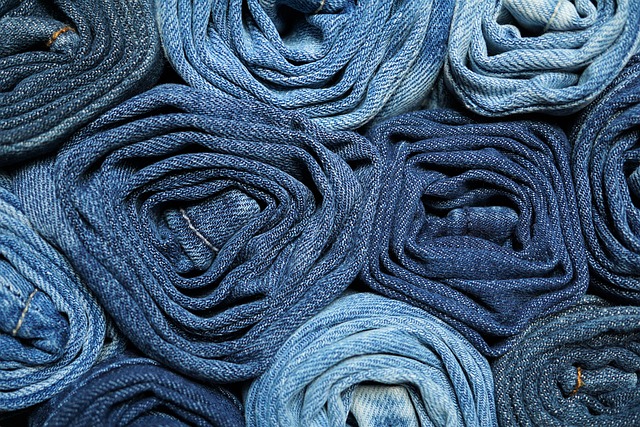
Indigo is a natural dye derived from the leaves of certain plants, primarily species of the genus Indigofera, as well as other plants like woad (Isatis tinctoria). It has been used for centuries to produce a range of blue hues, from deep navy to light sky blue. Indigo dyeing techniques have been practiced in various cultures around the world, including India, China, Japan, and parts of Africa.
The arrival of indigo in the Mediterranean world is believed to have occurred through trade and cultural exchange routes. While the exact timeline and mechanisms of its introduction are not fully documented, historical evidence suggests that indigo reached the Mediterranean region through trade networks linking Asia, the Middle East, and North Africa. Indian indigo, known for its high quality and intense color, was particularly sought after in the Mediterranean.
Once indigo arrived in the Mediterranean, it was integrated into local dyeing practices and became a valuable commodity. It was used alongside other natural dyes, such as madder root (Rubia tinctorum), weld (Reseda luteola), and Tyrian purple (derived from Murex snails), to create a wide range of colors for textiles and other materials.
Indigo was especially prized for its ability to produce a rich blue color that was resistant to fading. However, achieving the desired shade of blue required skillful dyeing techniques. Indigo dye itself is not blue but rather a yellowish-green compound. The blue color emerges through a chemical process known as reduction, wherein the insoluble indigo dye is converted into a soluble form called leuco-indigo, which then penetrates the fibers of the material being dyed. This reduction process is achieved by fermenting the indigo dye with substances such as urine, lime, or certain plant materials, which act as reducing agents.
The reduction process was crucial for obtaining vibrant blue hues, and it required careful attention to factors such as temperature, pH levels, and duration of immersion. Skilled dyers in the Mediterranean world developed specialized techniques to achieve different shades of blue and create intricate patterns through methods like resist dyeing (e.g., tie-dyeing, batik) and overdyeing.
Overall, indigo played a significant role in Mediterranean textile production, contributing to the region’s vibrant and diverse textile traditions. Its introduction added a new dimension to the color palette available to artisans and further enriched the cultural exchange and trade networks of the ancient world.
Egyptian Blue
The Egyptian Blue is one of the oldest synthetic pigments known to humanity, dating back to ancient Egypt around 2500 BCE. It’s a calcium copper silicate compound (CaCuSi4O10) that was synthesized by ancient Egyptian artisans using a combination of silica, lime, copper compounds, and an alkali such as natron.
The process of making Egyptian Blue involved heating these raw materials to high temperatures, typically between 800 to 1000 degrees Celsius, in a reducing atmosphere. This process fused the ingredients together, resulting in a blue-colored glassy material. Once cooled, this material was ground into a fine powder, which could then be mixed with a binding agent, such as gum Arabic or egg whites, to create a paint or a glaze.
Egyptian Blue had a variety of uses in ancient Egypt:
1. Art and Decoration: Egyptian Blue was extensively used in ancient Egyptian art and architecture. It adorned murals, sculptures, pottery, and jewelry. Its vibrant blue color symbolized the sky and water, and it was associated with divine concepts such as creation and rebirth. Some famous examples of its use include the blue tiles in the famous Ishtar Gate of Babylon and the iconic blue faience figurines found in Egyptian tombs.
2. Cosmetics: Egyptian Blue was also used in cosmetics, particularly in eye makeup. It was ground into a fine powder and mixed with other ingredients to create eye paints or kohl. These eye cosmetics not only enhanced the beauty of the wearer but also had symbolic and protective significance in ancient Egyptian culture.
3. Medicine and Rituals: Some historical accounts suggest that Egyptian Blue may have been used for medicinal purposes or in religious rituals. However, concrete evidence for these uses is limited.
4.Technology: The production of Egyptian Blue demonstrates the advanced technological capabilities of ancient Egyptian artisans. The knowledge and skill required to synthesize this pigment were highly specialized and closely guarded secrets, passed down through generations of craftsmen.
Overall, Egyptian Blue was a versatile and culturally significant pigment in ancient Egypt, playing a prominent role in art, religion, and daily life. Its legacy continues to fascinate researchers and artists today, as it represents an early example of synthetic chemistry and the enduring creativity of ancient civilizations.
Here is a bibliography organized alphabetically, including works in English, Hebrew, and German that cover the topics of Phoenician blue, Royal blue, Tyrian purple, ancient dye production, and related historical and archaeological studies:
Recommended Reading
Ball, Philip, Bright Earth: The Invention of Colour. University of Chicago Press, 2003.
Friedman, Florence Dunn, Gifts of the Nile: Ancient Egyptian Faience. Rhode Island School of Design, 1998.
Koren, Zvi, “The First Optimal All-Murex Tyrian Purple Dyeing in the Eastern Mediterranean in a Millennium and a Half.” Archaeometry, vol. 50, no. 3, 2008, pp. 449-466.
Pliny the Elder, Natural History. Translated by H. Rackham, Harvard University Press, 1938.
Shamir, Orit. “Dyes and Dyeing in Ancient Israel.” Archaeological Textiles Review, no. 61, 2019, pp. 30-41.
Baruch, Yitzhak. “האריגים הצבועים בתכלת וארגמן בתקופת הברזל באיזור הלבנט: שימושים ומסחר.” [“The Use of Tekhelet and Argaman Textiles in the Iron Age Levant: Uses and Trade”]. ארץ ישראל [Eretz-Israel], vol. 34, 2005, pp. 52-73.
Naveh, Joseph, The Development of the Aramaic Script. Israel Academy of Sciences and Humanities, 1970.
Scholnick, Eli, “מלכות וכהונה בצבעים: על השימוש בארגמן בממלכת יהודה.” [“Royalty and Priesthood in Colors: The Use of Purple in the Kingdom of Judah”]. צבע וטקסטיל בתנ”ך [Colors and Textiles in the Bible], edited by Rachel Elior, Bialik Institute, 2009, pp. 67-88.
Stern, Ephraim, “מסחר פיניקי בעת העתיקה.” [“Phoenician Trade in Antiquity”]. עתיקות [Atiqot], vol. 19, 1994, pp. 89-102.
Tzafrir, Yoram, Judah and Jerusalem during the First Temple Period. Magnes Press, 1993.
Beck, Ludwig, Geschichte des Eisens in Technischer und Kulturgeschichtlicher Beziehung. Friedrich Vieweg & Sohn, 1893.
Biel, Jörg, Der Keltenfürst von Hochdorf: Methoden und Ergebnisse der Landesarchäologie. Konrad Theiss Verlag, 1985.
Brinkmann, Vinzenz, et al., Bunte Götter: Die Farbigkeit antiker Skulptur. Hirmer Verlag, 2007.
Grömer, Karina, Die Textilproduktion der Urgeschichte und des Altertums in Mitteleuropa: Geschichte der Kleidung vor den Römern. Verlag des Naturhistorischen Museums Wien, 2010.
Lamm, Jacob, Farben in der Antike und im Mittelalter. Walter de Gruyter, 1984.
Schneider, Helmuth, Technik und Kultur der antiken Textilfärberei. C.H. Beck, 2003.
Stronach, David, Die Kunst der altorientalischen Weberei und Färberei. Philipp von Zabern, 1978.