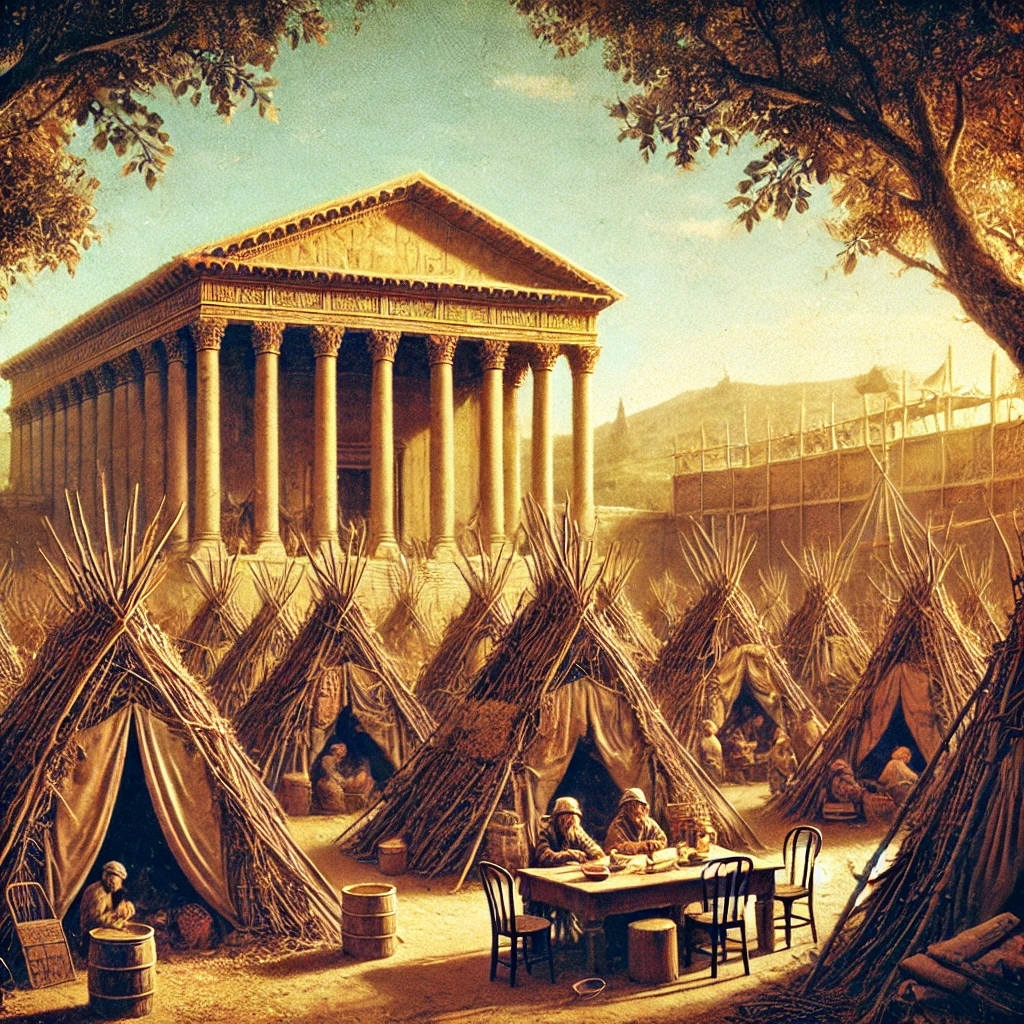
The interpretation of the four species (arba minim) mentioned in Leviticus 23:40 has been a central topic of debate among various Jewish groups, particularly in the context of Sukkot (the Feast of Tabernacles). The traditional rabbinic interpretation contrasts sharply with the Karaite and Samaritan perspectives, which emphasize a more literal reading of Nehemiah 8:15. This paper aims to examine these interpretations in detail, addressing the definitions, discrepancies, and underlying issues in both approaches.
Tag Archives leviticus 23
2
May
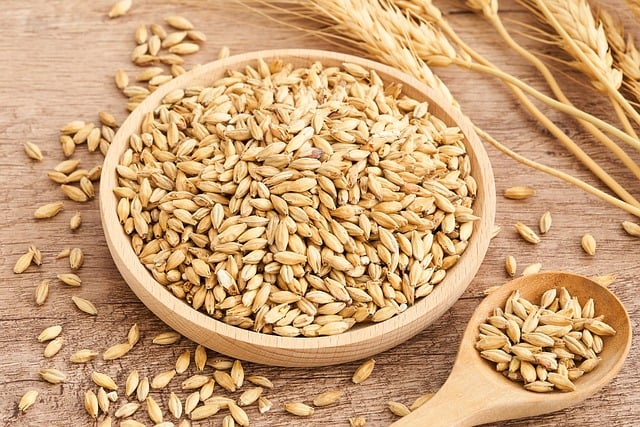
The term “Omer” has its roots in ancient Semitic languages, specifically Hebrew. It stems from the root word “amar” or “ûmâr,” which means “to heap” or “to gather.” This word was used to denote a measurement of grain in ancient agricultural societies.
In the context of Leviticus 23, the Omer refers to a specific quantity of barley grain that was offered as a sacrifice in the Temple during the festival of Passover. This offering marked the beginning of the counting of the Omer towards the festival of Shavuot.

11
Oct
Subscribe: Apple Podcasts | RSS
In Part 2, we finish the discussion on counting the Omer, addressing the “day after the sabbath” and “firstfruits”; Yom Teruah and what it is for, Yom Hakippurim and “afflicting your soul” from “evening to evening”, Sukkot; what constitutes a sukkah, what are the four species, and why is it just the native-born who can celebrate Sukkot?
8
Oct
Subscribe: Apple Podcasts | RSS
“These are the designated times of YHWH, the holy convocations you are to proclaim at their designated times.”
We begin our study with a discussion on identity since the Feasts are for Israel. Do you have to be a native born Jew to keep the Feasts of YHWH? Do you have to live in Israel? Is Sabbath one of the Feasts? We address these questions and more as we go verse by verse through the text of Leviticus 23 from our Weekly Bible Class. In Part 1 we cover Shabbat, Pesach, Chag Hamatzot and the Wave Sheaf/Omer.
Join My Group Bible Class TODAY!
The class is done in a virtual class room with multiple participants. We meet on Sundays at 11:45am US eastern, or 6:45pm Israel time. You do not need to know Hebrew for this class, and you also receive a recording of the classes every month. For the link and how to join, click the More Info Button to email us.
