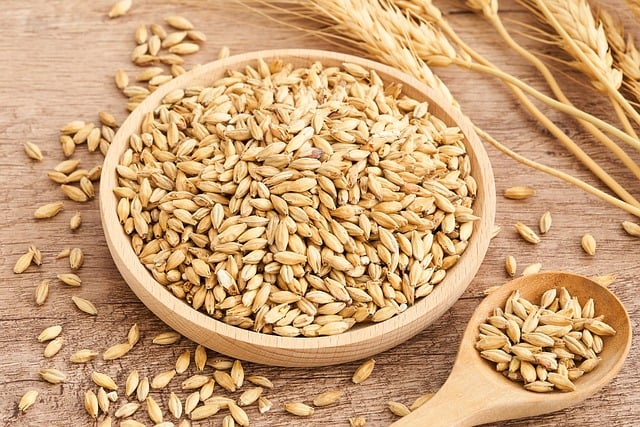
The term “Omer” has its roots in ancient Semitic languages, specifically Hebrew. It stems from the root word “amar” or “ûmâr,” which means “to heap” or “to gather.” This word was used to denote a measurement of grain in ancient agricultural societies.
In the context of Leviticus 23, the Omer refers to a specific quantity of barley grain that was offered as a sacrifice in the Temple during the festival of Passover. This offering marked the beginning of the counting of the Omer towards the festival of Shavuot.
