3
Jul
Subscribe: Apple Podcasts |
In our 11th episode of the Oral Torah Series, Yoel and Jeff discuss a number of questions that have been piling up during our Oral Torah discussions. We also spend some time discussing the pressures that Yoel, in particular, has been facing concerning our project. We hope that you benefit from this and all of our discussions.
2
Jul
The title of this article, Who are you, Belial?, is more of a sarcastic question. The reason I say sarcastic is because my understanding is that most ideas regarding titles such as Belial have an historical background and have nothing to do with theological/mythological principles. Shamai Glander suggested in his book on Genesis that the torah and the tanakh are anti-mythological and usually retell the stories known to other nations, such as the flood and creation narratives, by eliminating the mythological element and providing a more monotheistic principle without the demons and the monsters.
26
Jun
Subscribe: Apple Podcasts |
In our 10th episode of the Oral Torah Series, Yoel opens up the explanation of what the Talmud is within the practices of Judaism, beginning with ancient perceptions of Judaism in Greek and Roman culture and walking us through the sages and rabbis whose words are recorded there.
21
Jun
Subscribe: Apple Podcasts |
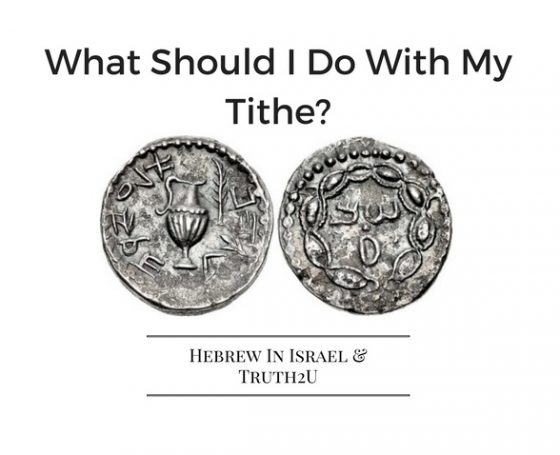
Then Jacob made a vow, saying, “If God will be with me, and keep me in this way that I am going, and give me bread to eat and clothing to put on, so that I come back to my father’s house in peace, then Yehovah shall be my God. And this stone which I have set as a pillar shall be God’s house, and of all that You give me I will surely give a tenth to You.” – Genesis 28:20-22
19
Jun
Subscribe: Apple Podcasts |
In this 9th episode of the Oral Torah Series, Yoel explains the Mishna. This is just the first part of the Mishna discussion and has a lot of detail that will need to be carefully listened to in order to understand. What was its purpose and how are we to use it.
12
Jun
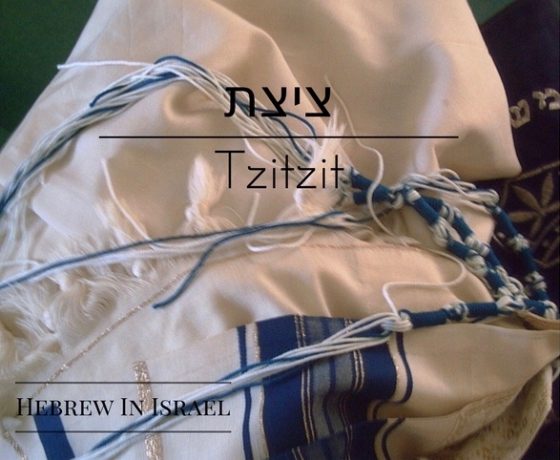
In this week’s Parashah, we read about the Tzitizt (fringe) and the Tekhelet (blue cord) which are to be made on the skirt of our garments. There are several important words which must be discussed in order for us to understand this commandment correctly.
12
Jun
Subscribe: Apple Podcasts |
In this 8th episode of the Oral Torah Series, Yoel and Jeff Gilbert’s discussion spends a lot of time on the Ezrah/Nehemia period and the formation of the Halacha that became the fertile ground from which Rabbinic Judaism was formed.
5
Jun
Subscribe: Apple Podcasts |
In this 7th episode of the Oral Torah Series, Yoel and Jeff Gilbert focus the discussion on the 8th principle of faith as presented by Maimonides and his position on the voracity of the Torah of God given through Moshe.
3
Jun
Who doesn’t love a freshly baked slice of bread? With the exception of people who have health problems, most of us see bread as a basic staple of our food. In Hebrew the word for bread is לֶחֶם – Lechem. Bread was the basic food in grain-based societies, and had many forms beginning with more porridge like food to sophisticated breads (in Egypt they had many types of baked goods).
3
Jun
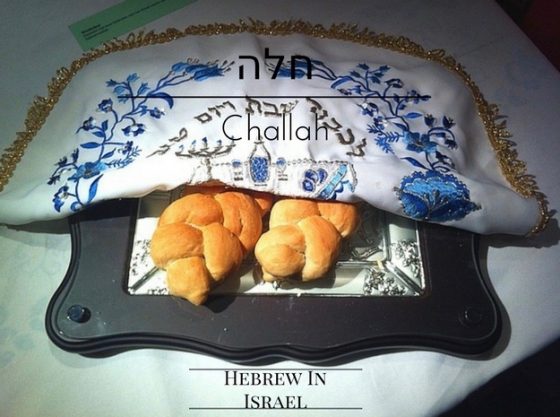
Challah bread is the most common bread for Shabbat in Jewish circles, and in many cases is the common bread used before and after Shabbat. This word actually has its origins in Biblical Hebrew. The word חלה Challah is probably from the word חלל which in this context means “hollow”. The idea is that the bread rises to a thickness which creates the small cavities.