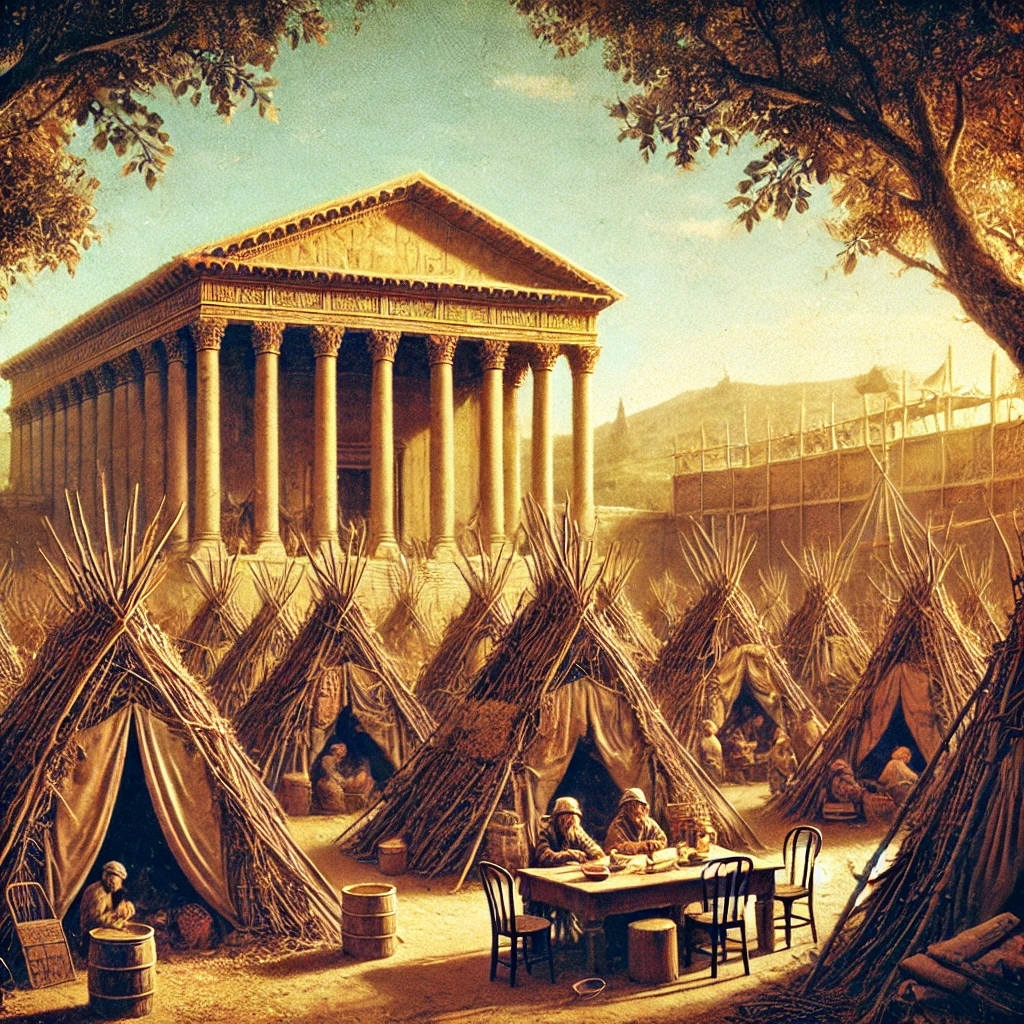
The interpretation of the four species (arba minim) mentioned in Leviticus 23:40 has been a central topic of debate among various Jewish groups, particularly in the context of Sukkot (the Feast of Tabernacles). The traditional rabbinic interpretation contrasts sharply with the Karaite and Samaritan perspectives, which emphasize a more literal reading of Nehemiah 8:15. This paper aims to examine these interpretations in detail, addressing the definitions, discrepancies, and underlying issues in both approaches.
Tag Archives Sukkot

15
Sep
In this new study, I dive into the history of the Torah community in Judea in the 5th century and the Persian era. I discuss the place of the community during this time and the function of Ezra and the Torah of Moses.
Subjects:
Persian agendas and treatment of social groups.
Torah and Torah keeping.
Ezra and Nehemiah- Men and the history of the books.
The seventh month.
Nehemiah 8 and Leviticus 23.
8
Oct
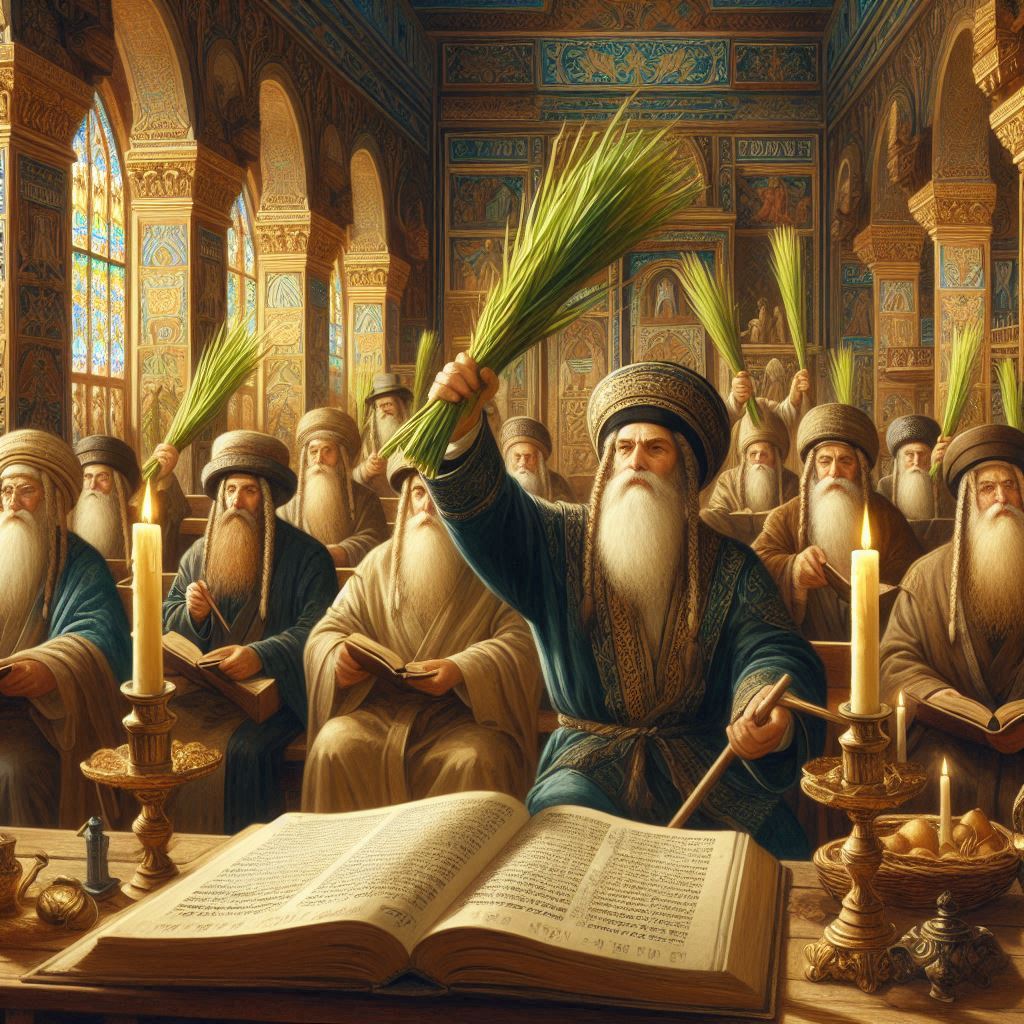
A key point to consider when discussing the Hoshana ceremony is the historical context: by the time this practice was taking shape, many Jews had already refrained from vocalizing the divine name. This is critical in understanding the subtle ways the name of God was hinted at in prayers and rituals. The custom of not uttering God’s name is thought by some scholars to have developed as early as the 3rd or even 4th centuries BCE, although it is often mistakenly attributed to later rabbinic decrees.

4
Oct
Subscribe: Apple Podcasts | RSS
“We were taken out of Egypt to make sure we receive the promise to Abraham of the good land… The days of Sukkot are actually a celebration of the gift and the goodness that God gives us by allowing us to sit on the land.” Yoel and Jono Vandor discuss the textual evidence and traditional opinions of what
Join My Group Bible Class TODAY!
The class is done in a virtual class room with multiple participants. We meet on Sundays at 11:45am US eastern, or 6:45pm Israel time. You do not need to know Hebrew for this class, and you also receive a recording of the classes every month. For the link and how to join, click the More Info Button to email us.
