Abstract:
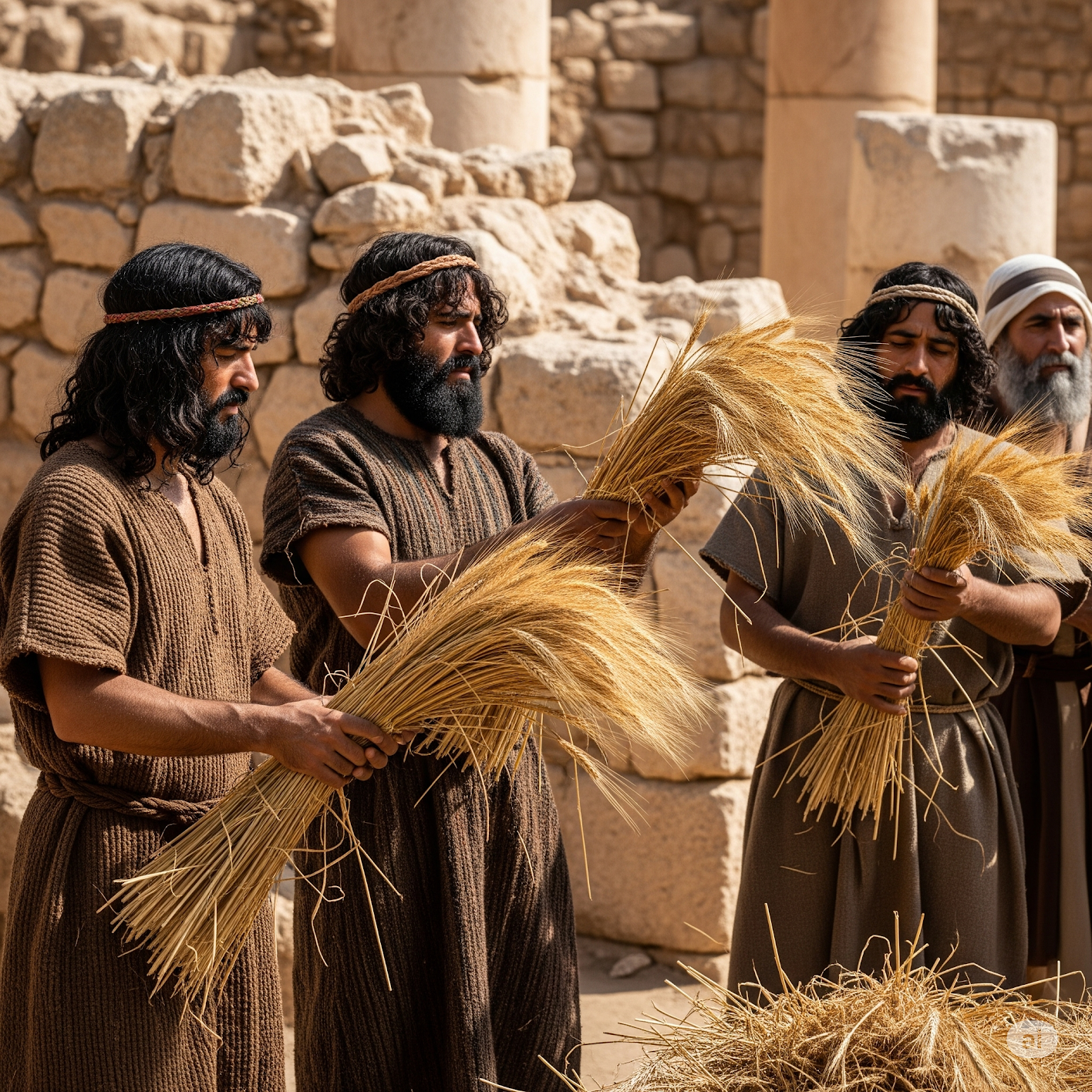
Shavuot, one of the major Torah pilgrimage festivals, is unique in that the Torah does not assign it a specific calendar date. Instead, its observance is determined by counting seven weeks from the offering of the Omer, which marks the beginning of the barley harvest. This paper explores the agricultural foundations of Shavuot and examines how various Jewish sects, including the Pharisees and Sadducees, interpreted its timing. By analyzing historical, textual, and sociological perspectives, we argue that the original practice of determining Shavuot’s date was flexible and closely tied to the agricultural cycle, rather than fixed to a specific day of the week.
