Abstract
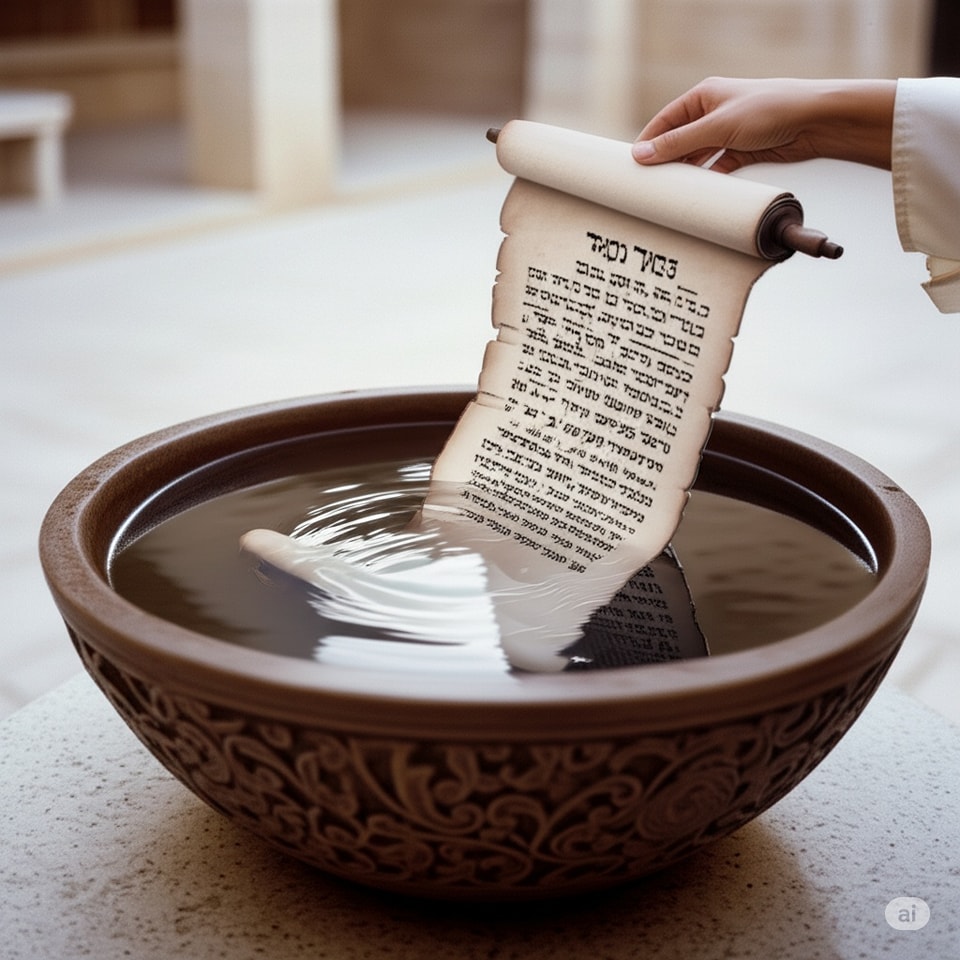
In the ancient Near East, the judicial ordeal—particularly involving water—functioned as a divinely sanctioned mechanism to determine guilt in the absence of reliable human testimony. This paper explores the practice of water ordeals in Mesopotamia and Anatolia and offers a comparative analysis with the Sotah ritual as found in Numbers 5:11–31. By situating the biblical text within its wider cultural and legal environment, this study examines shared motifs and distinctive theological developments, particularly in relation to divine arbitration, ritual practice, and gender dynamics.
