1
Jan
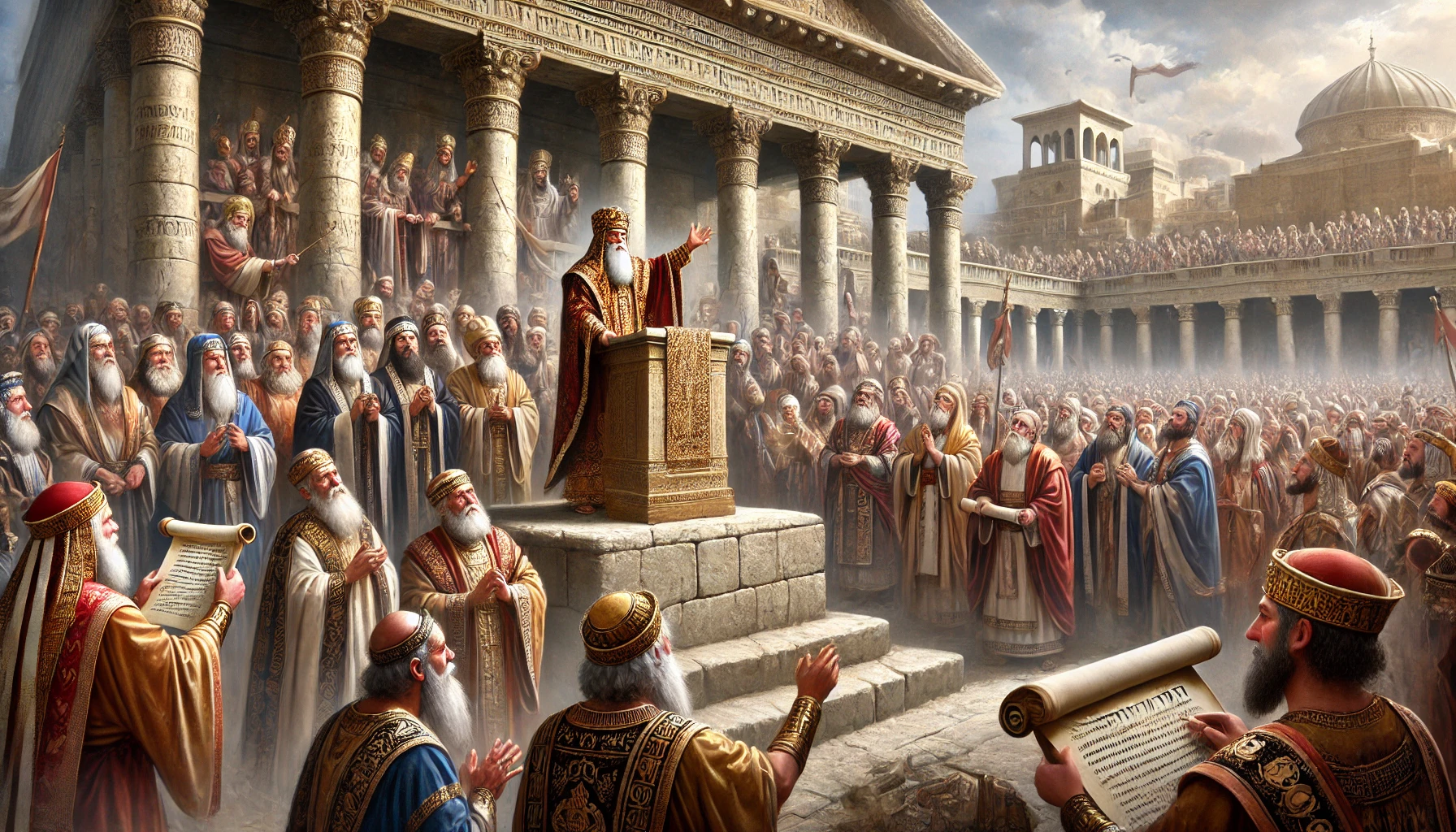
The word חשמן and its connection to the name חשמונאים (Hasmoneans) is a fascinating topic that ties together Biblical, linguistic, and historical elements.
Appearance of חשמן in the Bible
The word חשמן first appears in Psalm 68:32, where it is typically translated as “nobles” or “distinguished ones”:
1
Jan
Historiography is the study and writing of history, often shaped by the context, perspective, and purposes of the author. In ancient times, historiography was not just about recording facts but about interpreting events to serve ideological, political, or theological agendas. Writers often used storytelling techniques, historical precedents, and symbolic references to shape their audience’s understanding of the past and inspire action in the present.
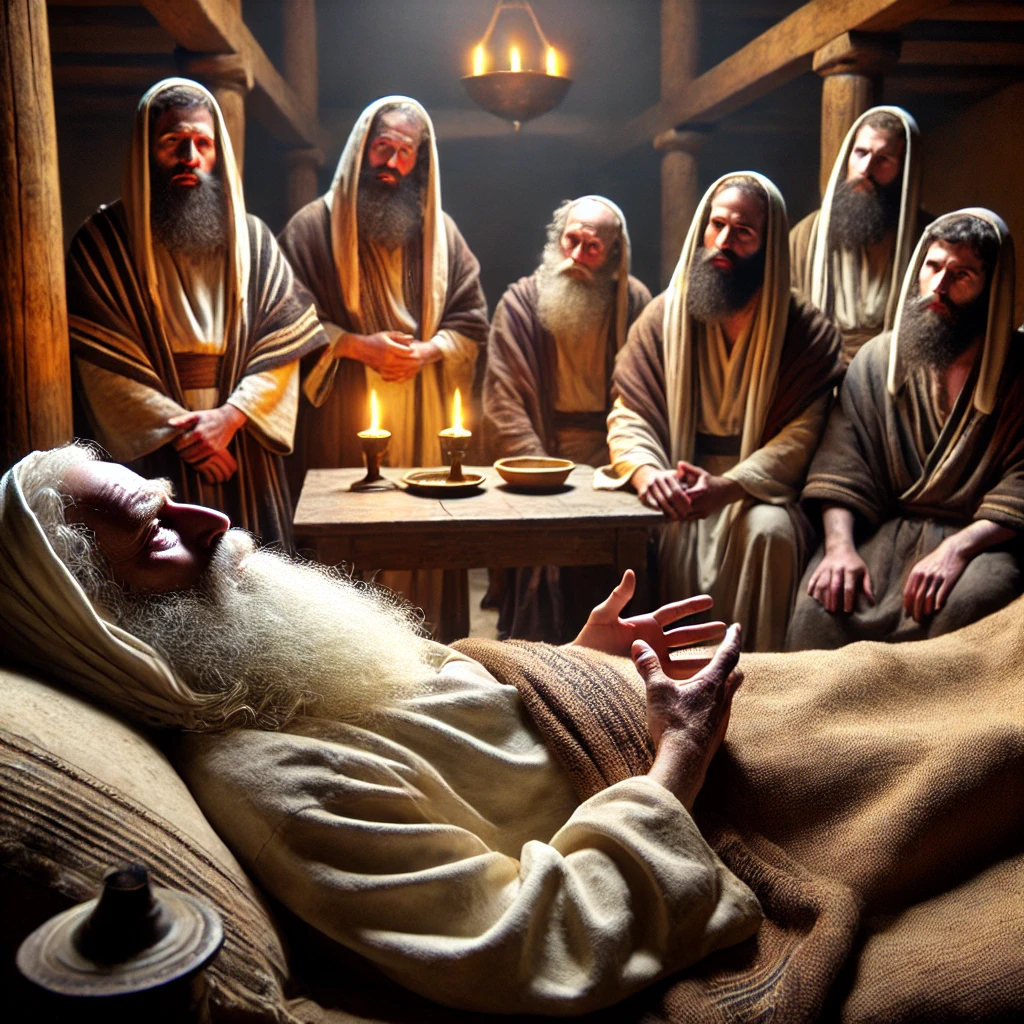
In the case of 1 Maccabees, the author employs historiography to legitimize the Hasmonean revolt against the Seleucid Empire and to portray the Hasmoneans as God’s chosen leaders, defending the Torah and the Jewish way of life against Hellenistic encroachment. The speech of Matityahu in 1 Maccabees 2:49–70 exemplifies this approach, blending historical interpretation with Biblical allusions to craft a powerful and persuasive narrative.
23
Dec
The celebration of Hanukkah represents an ironic tension in Jewish history. It commemorates the Hasmonean victory over Hellenistic forces and the rededication of the Second Temple, yet the Pharisees—the spiritual forebears of the Rabbinic sages—frequently clashed with the Hasmoneans during their reign. This irony becomes apparent when analyzing the historical and textual background, drawing on sources like the Talmud (Shabbat 21b), the Pesher Habakkuk, and Josephus’ writings, which highlight the nuanced and fraught relationship between the Pharisees and the Hasmoneans.