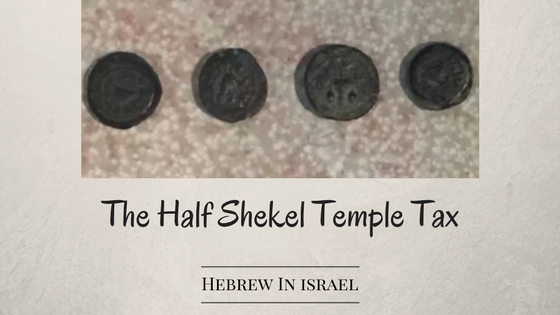
During the second temple period a custom developed to give a half shekel to the temple. The act is known as “The half shekel temple tax”. Little do people know that this tax was not agreed upon by all.
Biblical Law

3
Feb
The Oxford dictionary defines religion as the following:
- The belief in and worship of a superhuman controlling power, especially a personal God or gods.
‘ideas about the relationship between science and religion’
- 1.1count noun A particular system of faith and worship.
‘the world’s great religions’
- 1.2count noun A pursuit or interest followed with great devotion.
‘consumerism is the new religion’
After giving the modern English definition of the word, we ask ourselves “Is the Torah a religion?”

20
Jan
אֶת-יְהוָה אֱלֹהֶיךָ תִּירָא, אֹתוֹ תַעֲבֹד; וּבוֹ תִדְבָּק, וּבִשְׁמוֹ תִּשָּׁבֵעַ.
“You are to fear YHWH your God, serve him, cling to him and swear by his name”. Devarim (Deuteronomy) 10:20
One of the most controversial topics in the Jewish world, and nowadays in the Christian Torah keeping world, is the use of the name in everyday life. Regardless of the dispute about how to pronounce the name (something I will not touch on in this article), there is an important part of life where the name is to be used, and we are commanded by Torah to use it.
7
Jan
Subscribe: Apple Podcasts | RSS
Where does the practice of baptism come from? Yoel walks us through its history explaining the linguistic, biblical, and cultural factors of ritual washing and purity from Genesis to the time of Yeshua and into today.

8
Dec
In my recording on the weekly Parasha of Vayeshev, I mentioned an Assyrian law that might shed some light on the deeds of Tamar, and how is it she could have laid with her husband’s father. We find in the Assyrian law A33 the following:

25
Aug
Subscribe: Apple Podcasts | RSS
After speaking at various times and in various venues on the subject of Shabbat, Yoel pulls this information together into one place, answering the common questions about this commandment.

28
Jul
Subscribe: Apple Podcasts | RSS
From our weekly Hebrew Bible class, Yoel teaches the group about mourning rituals in the Tanakh and in tradition. Learn what the bible says about tattoos, beards, and tearing clothing, as well as the issues of how long to mourn, cremation, and much, much more.

14
Jul
At the end of the book of Bamidbar we read the following:
וַתִּהְיֶינָה מַחְלָה תִרְצָה, וְחָגְלָה וּמִלְכָּה וְנֹעָה–בְּנוֹת צְלָפְחָד: לִבְנֵי דֹדֵיהֶן, לְנָשִׁים. מִמִּשְׁפְּחֹת בְּנֵי-מְנַשֶּׁה בֶן-יוֹסֵף, הָיוּ לְנָשִׁים; וַתְּהִי, נַחֲלָתָן, עַל-מַטֵּה, מִשְׁפַּחַת אֲבִיהֶן
“Machlah, Tirtzah, Hoglah, Milkah and No‘ah all got married to sons of their father’s brothers. They were married into the families of the descendants of M’nasheh the son of Yosef, and their inheritance remained in the tribe of their father’s family”
Bamidbar (Numbers) 36:11-12
The above text is describing the final account of the legal problem presented before Moshe. The original dilemma was “can women inherit when there are no sons?”, a dilemma resolved by a yes. However, the resolution of the original problem brought forth a different question on the subject of property mobility, or in other words- the problem that land can be moved from one tribe to another by marriage on the Jubilee year. If a woman would inherit land and married into another tribe or family, the father tribe/family of the wife can lose land. Land was the most important item one can own, and this would weaken the abilities and rights of the original tribe by them losing a source of income.
21
Jun
Subscribe: Apple Podcasts | RSS
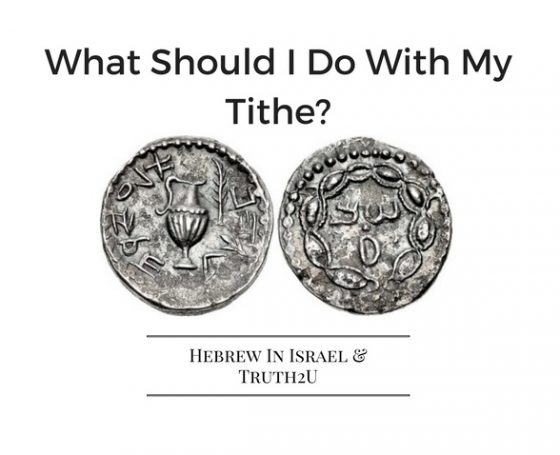
Then Jacob made a vow, saying, “If God will be with me, and keep me in this way that I am going, and give me bread to eat and clothing to put on, so that I come back to my father’s house in peace, then Yehovah shall be my God. And this stone which I have set as a pillar shall be God’s house, and of all that You give me I will surely give a tenth to You.” – Genesis 28:20-22
12
Jun
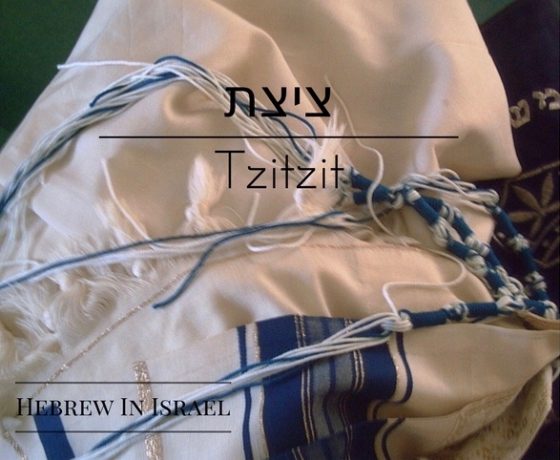
In this week’s Parashah, we read about the Tzitizt (fringe) and the Tekhelet (blue cord) which are to be made on the skirt of our garments. There are several important words which must be discussed in order for us to understand this commandment correctly.
Join My Group Bible Class TODAY!
The class is done in a virtual class room with multiple participants. We meet on Sundays at 11:45am US eastern, or 6:45pm Israel time. You do not need to know Hebrew for this class, and you also receive a recording of the classes every month. For the link and how to join, click the More Info Button to email us.
