Abstract
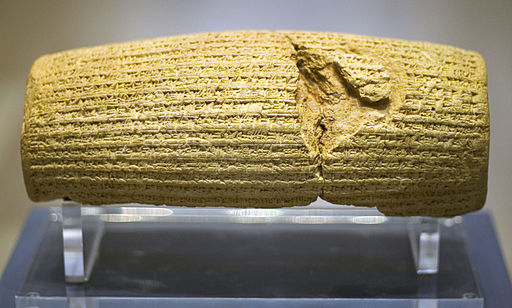
Ezra chapter one presents a striking proclamation attributed to Cyrus the Great, king of Persia, authorising the Jewish exiles to return to Jerusalem and rebuild the Temple of YHWH. This declaration, central to the narrative of the post-exilic return, raises significant historical and philological questions regarding its composition, ideological function, and relationship to external historical sources. This paper critically examines the portrayal of Cyrus in Ezra 1 against the backdrop of the Cyrus Cylinder, an authentic Achaemenid inscription. By analysing the language, theological framing, and historical context of both texts, this study argues that the Ezra declaration, while not a verbatim transcription of an imperial edict, represents a theologically oriented adaptation of a genuine Persian imperial policy. It highlights the nuanced interplay between Persian imperial pragmatism and Judean religious particularism, demonstrating how historical events were absorbed, localised, and reinterpreted within the sacred history of ancient Yehud.
Keywords: Cyrus Cylinder, Ezra, Achaemenid Empire, Second Temple Period, Historical Criticism, Literary Criticism, Persian Policy, Judean Identity.
Archaeology
Aug
Sep
Subscribe: Apple Podcasts | RSS
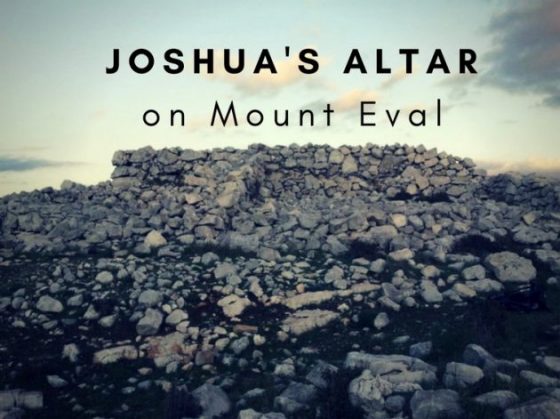
Yoel brings us the setting, background and a walk-through of the discovery of Joshua’s altar on Mt. Eval and how it matches up to the biblical description.
Photo By Yoel Halevi

Jul
From Hebrew In Israel on YouTube; A visit to the biblical city of Hazor which is mentioned in the book of Joshua.
Jul
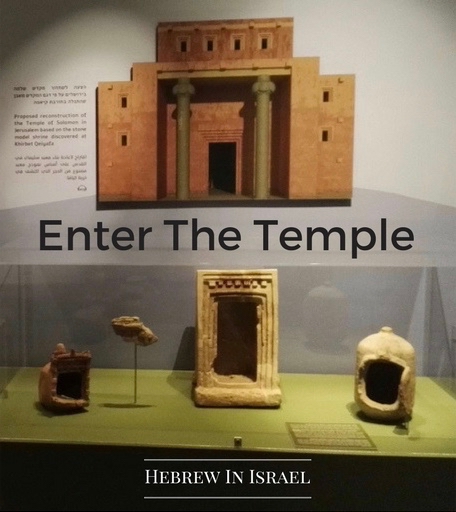
In 2013 I had the pleasure of studying archaeology under Dr. Chaya Katz of the Open U, and do archaeological studies in actual sites under Dr. Amit Dagan of the Bar-Illan U. One of the sites we studied was Khirbet Qeiyafa near the the Elah Valley. On the site Dr. Yoseph Garfinkel has discovered portable temples made of clay which might represent temples which were common in Israel. If this is true, we might be looking at a prototype temple which was used as the model for the Temple of Solomon.

Jul
Yoqne’am is a less known Tel (artificial mound) which sits just outside of the modern Yoqne’am of today near the eastern slope of Mount Carmel in the land of the tribe of Zevulun. The city can be dated to the Early bronze age, and is mentioned in Egyptian writings under the name ‘aqne’am. The city sat next to the ancient “Way of the sea” (now road 70) which was one of the main roads which connected the east and the west.
Join My Group Bible Class TODAY!
The class is done in a virtual class room with multiple participants. We meet on Sundays at 11:45am US eastern, or 6:45pm Israel time. You do not need to know Hebrew for this class, and you also receive a recording of the classes every month. For the link and how to join, click the More Info Button to email us.
