Abstract
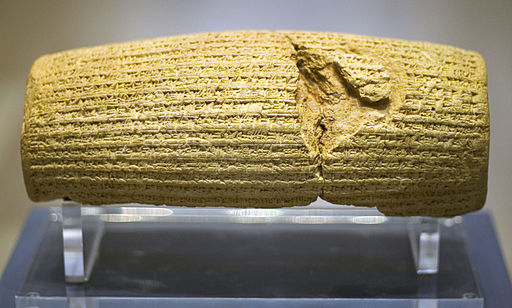
Ezra chapter one presents a striking proclamation attributed to Cyrus the Great, king of Persia, authorising the Jewish exiles to return to Jerusalem and rebuild the Temple of YHWH. This declaration, central to the narrative of the post-exilic return, raises significant historical and philological questions regarding its composition, ideological function, and relationship to external historical sources. This paper critically examines the portrayal of Cyrus in Ezra 1 against the backdrop of the Cyrus Cylinder, an authentic Achaemenid inscription. By analysing the language, theological framing, and historical context of both texts, this study argues that the Ezra declaration, while not a verbatim transcription of an imperial edict, represents a theologically oriented adaptation of a genuine Persian imperial policy. It highlights the nuanced interplay between Persian imperial pragmatism and Judean religious particularism, demonstrating how historical events were absorbed, localised, and reinterpreted within the sacred history of ancient Yehud.
Keywords: Cyrus Cylinder, Ezra, Achaemenid Empire, Second Temple Period, Historical Criticism, Literary Criticism, Persian Policy, Judean Identity.
Monthly ArchiveSeptember 2024
Aug
Aug
1. Introduction
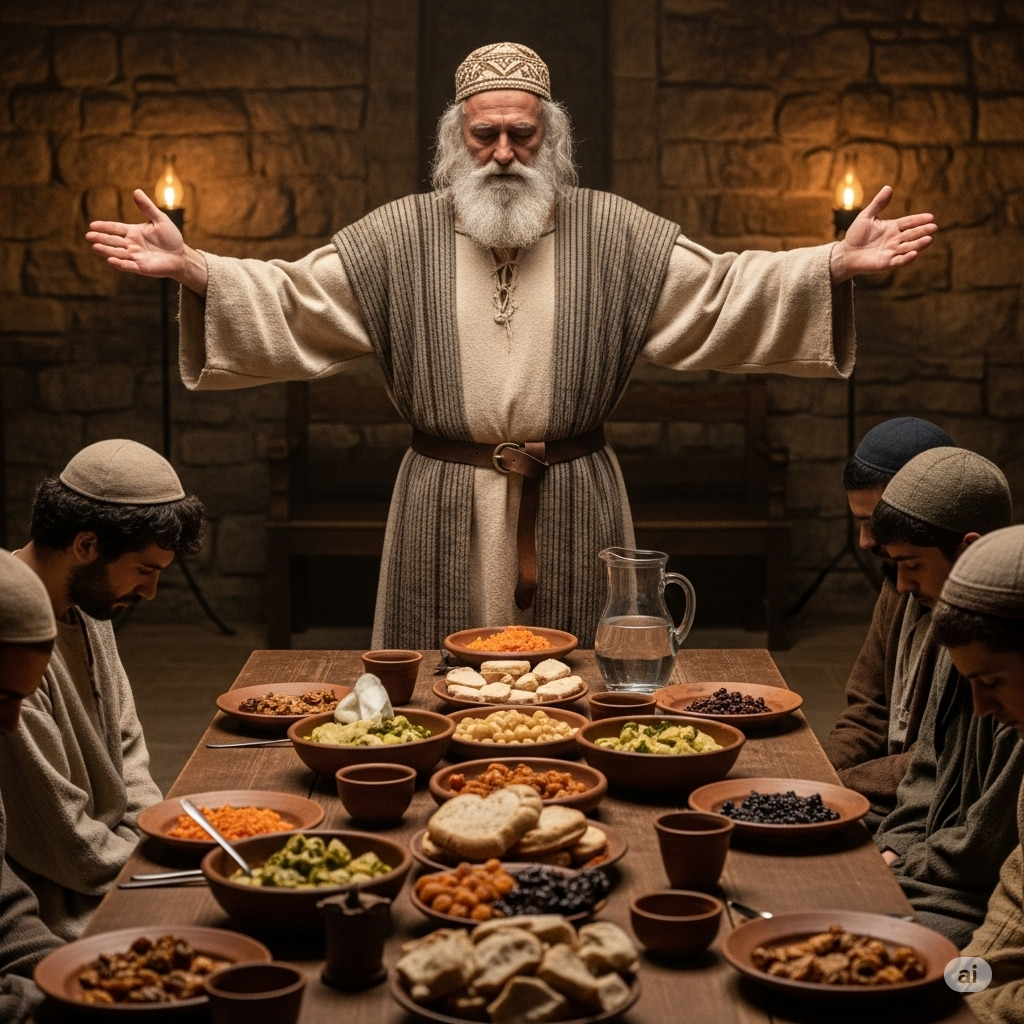
The act of blessing food—whether before or after its consumption—has long been a fixture in Jewish religious life. Today, the normative rabbinic tradition prescribes both a blessing before and after eating. However, the origins of this dual practice are subject to scholarly debate. This paper aims to trace the development of these practices by analyzing relevant sources from the Hebrew Bible, the Dead Sea Scrolls (DSS), and the writings of Flavius Josephus, focusing on the question: was the original practice to bless before eating, after eating, or both?

Jul
1. Introduction: The Problem of Post-Destruction Ritual Memory and the Principle of Progressive Ritualization
The return from Babylonian exile presented the Yehudite community with complex theological and ritual challenges. Among these was the question of how to memorialize the destruction of Jerusalem and the First Temple. Zechariah 7–8 captures a pivotal moment in this transition, illustrating a principle of progression in ritual development: how localized, spontaneous mourning customs, initially emerging from the trauma of exile, gradually solidified into widespread, communal rites, eventually facing prophetic reinterpretation and institutionalization. The prophet Zechariah is approached to adjudicate the status of these fasts, and his response illuminates the inherent tension between ethical-religious priorities and the communal need for structured memory.
This period was defined by the Pax Persica, the relative peace and administrative stability imposed by the Achaemenid Persian Empire. While offering opportunities for rebuilding (including the Temple), Persian imperial policy often favored local religious autonomy within a framework of loyalty to the empire. This context meant that the Yehudite community, still under foreign dominion, had to navigate its religious identity and practices within these political realities, contributing to a desire for internal coherence and divine favor. Furthermore, the economic conditions of the post-exilic community were often challenging, marked by crop failures, drought, and a lack of resources (Haggai 1:6, 9-11). Such material hardships could exacerbate a community’s search for divine intervention, sometimes leading to an overemphasis on ritual performance as a means to alleviate suffering, a perspective Zechariah subtly critiques.
Methodological Note: Diachronic and Synchronic Readings
This analysis integrates both diachronic and synchronic approaches. It examines the historical development of the fasts and their context over time (diachronic), tracing their progression from ad hoc to established practices, while also analyzing Zechariah 7-8 as a coherent literary unit within the broader “Book of the Twelve” (synchronic). This dual perspective allows for a richer understanding of how the prophet addresses specific historical circumstances while also contributing to the larger theological message of the prophetic corpus, emphasizing the overarching theme of God’s sovereignty and Israel’s covenant destiny.
2. Zechariah 7: From Local Mourning to Ethical Reorientation
2.1. The Question of the Delegation (7:1–3)
The inquiry brought by the men of Bethel—”הַאֶבְכֶּה בַּחֹדֶשׁ הַחֲמִשִׁי הִנָּזֵר כַּאֲשֶׁר עָשִׂיתִי זֶה כַּמֶּה שָׁנִים” (Should I weep in the fifth month and abstain, as I have done for so many years?)—centers on whether the fast of the fifth month should continue. The fifth month (Av) was, and remains, associated with the destruction of the Temple (cf. 2 Kings 25:8–9). The use of the verb הִנָּזֵר (“to abstain” or “to separate oneself”) suggests more than mere fasting; it indicates a broader withdrawal, perhaps in mourning or as a form of dedication, echoing the concept of נזיר (Nazirite) in Leviticus 10:9 concerning priestly abstinence.
That the delegation comes from Bethel, a location historically associated with Northern Israelite worship (cf. 1 Kings 12:29), suggests a broader re-engagement of returning exiles with the Jerusalemite cult and highlights the pressing need to standardize or harmonize diverse mourning practices across the reintegrating community. This inquiry illustrates the early stage of ritual progression: what began as individual or localized responses to a catastrophic event (“as I have done for so many years”) was now being questioned for its communal and long-term validity within the re-established Yehudite state. This quest for standardization was likely spurred by the ongoing rebuilding efforts of the Second Temple, raising questions about the continued necessity of exile-era mourning rites now that a new sacred center was emerging.
2.2. Zechariah’s Response (7:4–14)
YHWH’s response, mediated through Zechariah, critiques the intent and authenticity of the fasts:
“When you fasted and mourned… did you really fast for Me, for Me?” (7:5)
The Hebrew reads צַמְתֻּנִי אֲנִי (tzamtuni ani). Grammatically, the verbal form צַמְתֻּנִי (you fasted, masculine plural) is directly affixed with the first-person singular direct object suffix -נִי (“for me” or “me”). The subsequent and explicit independent first-person singular pronoun אֲנִי (“I” or “Me”) serves as an intensive and emphatic reiteration of this direct object. This pleonastic construction creates a powerful double emphasis, underscoring the crucial question of motive and the intensely personal nature of YHWH’s inquiry. It highlights YHWH’s desire for genuine worship rooted in inner disposition, not merely outward performance. This theological emphasis on authenticity over outward show is a hallmark of prophetic critique and covenantal theology. These practices, though growing in observance, are depicted not as divinely ordained commandments but as human-initiated responses that, in their current form, may lack genuine ethical foundation.
The prophet then shifts the focus sharply from ritual observance to moral action (7:9–10), echoing earlier prophetic messages:
- “Execute true justice” (מִשְׁפַּט אֱמֶת שְׁפֹטוּ, “execute a judgment of truth”). The term אֱמֶת here is significant, implying a justice that is not merely legalistic but rooted in divine faithfulness and covenant fidelity, reflecting God’s own character.
- “and show steadfast love and compassion “(וְחֶסֶד וְרַחֲמִים).
- “Do not oppress the widow, orphan, foreigner, or poor” (וְאַלְמָנָה וְיָתוֹם גֵּר וְעָנִי אַל תַּעֲשֹׁקוּ).
This language closely parallels Isaiah 58, which similarly critiques fasting devoid of righteousness and social justice: “Is this the fast I choose? To bow one’s head like a reed?” (Isa 58:5–7). Beyond Isaiah, this ethical call resonates deeply with Deuteronomic legislation and earlier prophetic voices (e.g., Amos 5:24; Micah 6:8), demonstrating Zechariah’s role in synthesizing and reinterpreting these foundational traditions for the post-exilic community. His message implicitly challenges the notion that religious ritual alone, divorced from social justice, can guarantee divine favor or alleviate communal hardship. Furthermore, this critique echoes Jeremiah’s “Temple Sermon” (Jeremiah 7), which similarly warns against reliance on the mere presence of the Temple while neglecting ethical living.
3. Zechariah 8: Reframing Fasts in Light of Redemption – The Culmination of Progression
By the time we reach Zechariah 8, the tone shifts considerably. While chapter 7 questions the spiritual legitimacy of fasting, chapter 8 masterfully reframes these very fasts within a redemptive eschatological vision. This dramatic shift underscores the dynamic nature of prophetic discourse, which can move from sharp critique to hopeful re-envisioning based on divine promise. Critically, this chapter reveals the culmination of the ritual progression: these once-local and spontaneous mourning practices have become sufficiently widespread and ingrained that they cannot simply be abolished. Instead, the prophetic voice recognizes their deeply embedded nature and seeks to transform their meaning.
3.1. The Four Fast Days (8:18–19)
Zechariah 8:19 explicitly names four fasts:
- The fast of the fourth month — linked to the breaching of Jerusalem’s walls (Jer 52:6).
- The fast of the fifth month — commemorating the destruction of the Temple (2 Kgs 25:8–9).
- The fast of the seventh month — associated with the assassination of Gedaliah (Jer 41).
- The fast of the tenth month — marking the beginning of the siege of Jerusalem (2 Kgs 25:1).
These correspond to critical markers of historical trauma. However, instead of abolishing them, the prophet proclaims their radical transformation:
“These shall become for the house of Judah days of joy and gladness and cheerful feasts and truth and peace you shall love” (יִהְיֶה לְבֵית יְהוּדָה לְשָׂשׂוֹן וּלְשִׂמְחָה וּלְמֹעֲדִים טוֹבִים וְהָאֱמֶת וְהַשָּׁלוֹם אֱהָבוּ.)
Here, prophecy demonstrates its capacity to accommodate and guide liturgical development, reassigning profound theological meaning to existing practices rather than rejecting them outright. This shift explicitly reflects the institutional momentum behind these fasts—they had evidently become deeply embedded in public consciousness and communal identity across Yehud. The prophetic response thus evolves from a posture of critique to one of profound reinterpretation and re-sanctification, aligning the future of these rituals with YHWH’s promised restoration and emphasizing the authority by which Zechariah can announce such a dramatic reorientation.
4. Philological Note: Fasting and Mourning Terminology Reflecting Progression
The Hebrew verbs and nouns used across these chapters are particularly telling, indirectly highlighting the progression from spontaneous grief to structured ritual:
- צוּם (“to fast”) – The general and most common term for ritual abstention from food, suggesting a formalized practice.
- בָּכָה (“to weep”) – Implies emotional mourning, whether personal or communal, often accompanying fasting, hinting at the raw grief that gave rise to the practices.
- הִנָּזֵר (from the root N-Z-R) – As noted, this suggests a broader ritual abstention or separation, potentially encompassing more than just food (cf. Naziriteship, where vows involve abstention from wine, cutting hair, etc.). Its usage here indicates a dedicated withdrawal for a specific purpose, highlighting the deliberate, even formalized, nature of these mourning practices as they developed.
- אֵבֶל (“mourning”) – While not directly used in Zechariah 7–8 to describe the fasts themselves, this noun appears in similar contexts (e.g., Zech 12:10, where “mourning” is connected to future lamentation over the pierced one). Its conceptual presence underscores that the fasts are fundamentally acts of mourning, embodying deep communal grief and memory.
This range of terms highlights that the issue addressed by Zechariah is not merely about fasting as a technical act, but about emotional and social memory—the collective processing of trauma ritualized through various forms of abstention and lament. This also shows an awareness of “wisdom” literature’s emphasis on righteous living as a path to blessing, aligning the ethical demands with the promised future joy.
5. Reception and Liturgical Institutionalization – The Enduring Progression
5.1. Second Temple and Qumran Evidence
By the late Second Temple period, the progression of these fasts from ad hoc observances to formally recognized communal practices was complete, as evidenced by their entrenched status within Jewish religious life. The Megillat Taʿanit (1st century CE), a significant historical document, not only lists fasts and days of mourning but also enumerates days when fasting is prohibited. This demonstrates the increasing codification and regulation of the Jewish calendar, often reflecting diverse communal practices and occasional disputes regarding appropriate responses to historical events.
Regarding Qumran: While fasting was certainly a practice within the Qumran community, often tied to their distinct sectarian calendar and emphasis on purity and atonement, direct textual evidence for the observance of these specific four fasts (of the 4th, 5th, 7th, and 10th months) among the Dead Sea Scrolls is lacking. The community’s unique calendar and theological focus meant their liturgical practices often diverged from those developing in Jerusalemite Judaism. Therefore, while shared concerns with mourning, judgment, and divine restoration can be found in Qumran literature, a direct link to Zechariah 8:19’s fasts cannot be definitively established based on current evidence.
5.2. Rabbinic Codification
In Mishnah Taʿanit 4:6–7, the fasts of the fourth, fifth, seventh, and tenth months are formally codified as commemorations of national tragedies, underscoring their enduring significance. The Babylonian Talmud (b. Rosh Hashanah 18b) directly references Zechariah 8:19 and expands upon the conditional nature of these fasts:
“When there is peace—they shall be joy and gladness; when there is persecution—they shall be fasts.”
This rabbinic interpretation precisely captures the prophetic trajectory articulated in Zechariah: the fasts are actual observances, but their emotional and spiritual tenor is directly dependent on the prevailing historical context and the state of the nation. This flexible interpretation is a testament to the dynamic progression of these rituals, allowing them to adapt to changing historical circumstances while retaining their core meaning. It encapsulates the profound truth that mourning can indeed turn into rejoicing.
Broader Reception and Modern Observance
Beyond the rabbinic period, Zechariah’s prophecy has resonated in various ways. In early Christian interpretation, the ethical demands of Zechariah 7 often align with Jesus’ critiques of hypocrisy, while the eschatological promises of Zechariah 8 contribute to the broader messianic expectation. While the literal transformation of fasts into feasts is specific to Jewish tradition, the underlying principle of divine redemption bringing joy out of sorrow holds universal appeal. In contemporary Jewish practice, these fasts (Shivah Asar B’Tammuz, Tisha B’Av, Tzom Gedaliah, and Asara B’Tevet) continue to be observed, though often with a renewed emphasis on the prophetic call for social justice (tikkun olam, “repairing the world”) alongside communal memory, embodying the ongoing dynamic between ritual and ethics. This demonstrates the long-term progression and adaptability of these practices across millennia.
6. Conclusion: Prophecy and Ritual Memory in Dialogue – A Model of Progression
Zechariah 7–8 profoundly reveals how prophecy both critiques and dynamically adapts to communal religious development. What begins as spontaneous mourning practices in response to catastrophic trauma gradually becomes institutionalized. Zechariah’s prophecy reflects this complex trajectory of progression:
- Initial individual/localized responses to trauma.
- The gradual spread and recognition of these practices (implicit in the Bethel delegation’s question).
- Prophetic critique of their internal motivation when widespread.
- Transformation and re-sanctification of these now-entrenched fasts into symbols of future joy.
The ethical priority of prophets like Isaiah and Zechariah is unequivocally clear: ritual without righteousness is an empty gesture. However, equally clear is the reality that people need ritual frameworks to process national trauma, maintain collective memory, and express communal identity. The prophetic voice thus evolves—not to reject established tradition outright, but to shape and infuse its theological meaning in light of divine promises of redemption and covenant renewal. This dynamic interplay ensures both continuity and spiritual vitality within the unfolding religious life of the community, serving as a compelling model for understanding the progression of ritual memory.
Bibliography (Select)
- Blenkinsopp, Joseph. Judaism, the First Phase: The Place of Ezra and Nehemiah in the Origins of Judaism. Eerdmans, 2009.
- Boda, Mark J. The Book of Zechariah. New International Commentary on the Old Testament. Grand Rapids: Eerdmans, 2016.
- Carroll, Robert P. Jeremiah: A Commentary. Old Testament Library. SCM Press, 1986.
- Coggins, R. J., and J. L. Houlden. The Books of Haggai, Zechariah and Malachi. Cambridge Bible Commentary on the New English Bible. Cambridge: Cambridge University Press, 1969.
- Fishbane, Michael. Biblical Interpretation in Ancient Israel. Oxford University Press, 1985.
- Floyd, Michael H. Minor Prophets, Part 2. Forms of the Old Testament Literature, vol. 22. Grand Rapids: Eerdmans, 2000.
- Koch, Klaus. The Prophets: The Babylonian and Persian Periods. Fortress Press, 1983.
- Petersen, David L. Haggai and Zechariah 1–8. The Old Testament Library. Westminster John Knox Press, 1984.
Jun
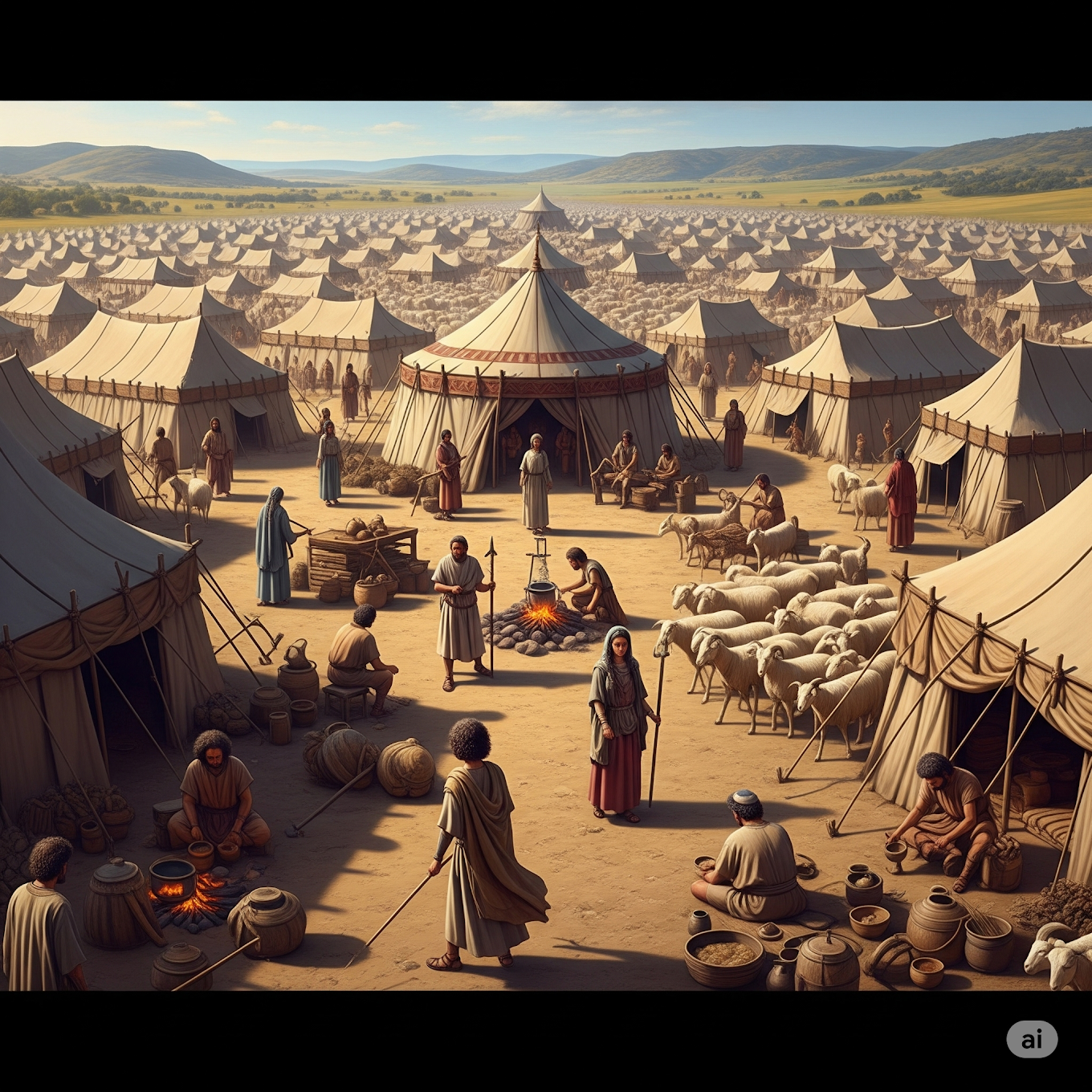
The injunction against the direct enumeration of individuals in Judaism, particularly concerning the Israelite people, constitutes a significant halakhic (Jewish legal) and theological principle. This prohibition, deeply rooted in biblical narrative and extensively elaborated upon by rabbinic exegesis, reflects complex concerns regarding divine providence, human vulnerability, and the sanctity of the individual.

Jun
Abstract
The first glimpse of the New Moon crescent heralds the beginning of a new lunar month across diverse cultures and religious calendars. While the astronomical New Moon is a singular, global event occurring at a precise moment, the actual visibility of its first crescent varies significantly with geographic location. This paper delves into the scientific principles governing these variations, focusing on factors like angular separation, horizon altitude, atmospheric conditions, and geographic latitude and longitude. We will also explore the profound religious significance of crescent sighting, particularly within the Land of Israel, and debunk a prevalent historical misconception regarding ancient beliefs about Earth’s shape, especially in relation to the Hebrew Bible.

Jun
Abstract
In the ancient Near East, the judicial ordeal—particularly involving water—functioned as a divinely sanctioned mechanism to determine guilt in the absence of reliable human testimony. This paper explores the practice of water ordeals in Mesopotamia and Anatolia and offers a comparative analysis with the Sotah ritual as found in Numbers 5:11–31. By situating the biblical text within its wider cultural and legal environment, this study examines shared motifs and distinctive theological developments, particularly in relation to divine arbitration, ritual practice, and gender dynamics.
Jun
1. Introduction
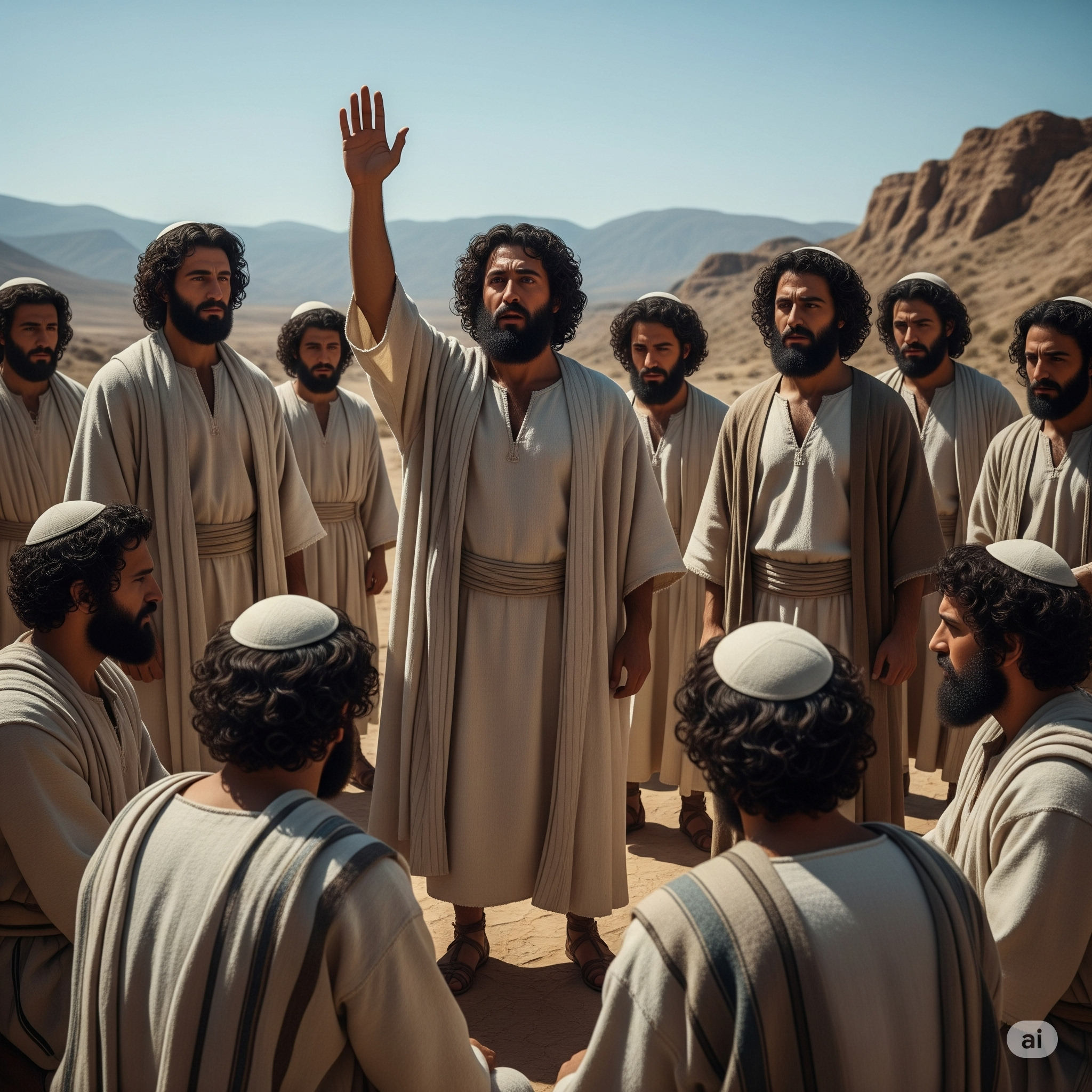
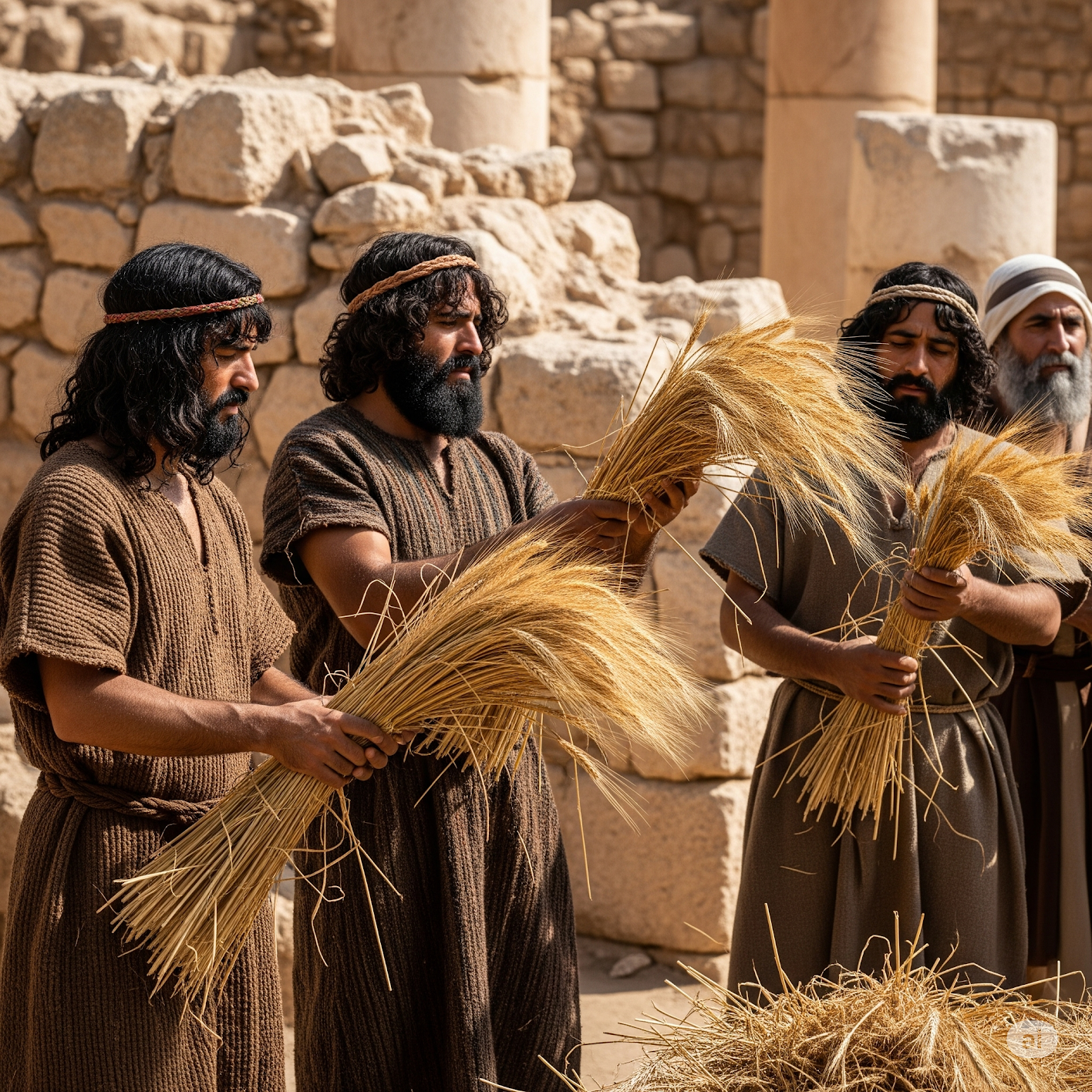
Among the most distinctive features of the Yachad community, often associated with the Essenes, are their unique calendrical system and their interpretation of biblical festivals. This paper focuses on their understanding of Shavuot, or the Feast of Weeks, arguing that this festival held a significance far beyond its agricultural roots. For the Qumran sect, Shavuot was intrinsically linked to the concept of oaths and the annual renewal of the covenant. This reinterpretation underscores the community’s rigorous adherence to their understanding of divine law and their commitment to a disciplined and covenantal life.
May
Abstract:
Shavuot, one of the major Torah pilgrimage festivals, is unique in that the Torah does not assign it a specific calendar date. Instead, its observance is determined by counting seven weeks from the offering of the Omer, which marks the beginning of the barley harvest. This paper explores the agricultural foundations of Shavuot and examines how various Jewish sects, including the Pharisees and Sadducees, interpreted its timing. By analyzing historical, textual, and sociological perspectives, we argue that the original practice of determining Shavuot’s date was flexible and closely tied to the agricultural cycle, rather than fixed to a specific day of the week.

Apr
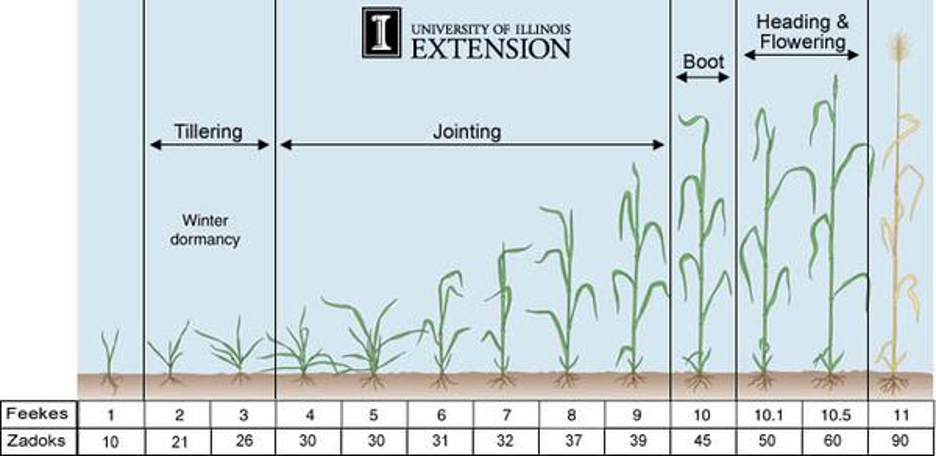
Definitions related to barley development observations according to the following:
Stages of Growth after Heading
Flowering
Milk
Soft Dough
___________________________________
First Edible Stage for Humans
Aviv Stage (אָבִיב) – Filled with Starch/Firm, can be parched in fire
Karmel Stage (כַּרְמֶל)?
–
Harvest Ready – Kernal Hard (not dividable with thumbnail)
Shattered – After drying out the barley heads shatter and fall apart, self seeding on the ground, [Note: Only occurs with wild barley (Hordeum spontaneum)]
Notes:
- Primary remarks are based on observations of wild barley (Hordeum spontaneum). Modern agricultural barley (Hordeum vulgare – two and six row) and wheat fields were also checked and compared.
- A detailed but schematic description of the route followed for observing barley development is included for the sake of transparency so that everyone can understand the evidence more clearly.
If this information is used for conducting independent barley observations, please respect others by being careful not to destroy the evidence that other groups may want to inspect after you.
Following are some notes regarding the state of barley growth in Israel from two recent trips:
Trip to the northern Negev on Friday March 28, 2025 (Adar 28, 5785).
Warm weather mostly overcast sky (at 10:30 28°C; 27% humidity)

Feb
Ancient Egyptian and biblical thought both conceptualized the universe as a struggle between order and chaos. In Egyptian cosmology, Maat (mꜣꜥ.t) represents order, truth, and justice, while Isfet (ἰzf.t) symbolizes disorder, falsehood, and destruction. Chaos, often personified by the serpent Apophis (Apep), must be continually resisted. However, in the Hebrew Bible, YHWH is not engaged in an eternal struggle but exercises absolute mastery over chaos. This contrast is particularly evident in the ninth and tenth plagues—the plague of darkness (ḥošekh חֹשֶך) and the death of the firstborn (makkat bekhorot מַכַּת בְּכוֹרוֹת)—which directly challenge Egyptian conceptions of divine order and royal legitimacy.
Join My Group Bible Class TODAY!
The class is done in a virtual class room with multiple participants. We meet on Sundays at 11:45am US eastern, or 6:45pm Israel time. You do not need to know Hebrew for this class, and you also receive a recording of the classes every month. For the link and how to join, click the More Info Button to email us.
